
HERITAGE, HISTORY AND PEDIGREE: Winemakers steering legacy wineries into the future
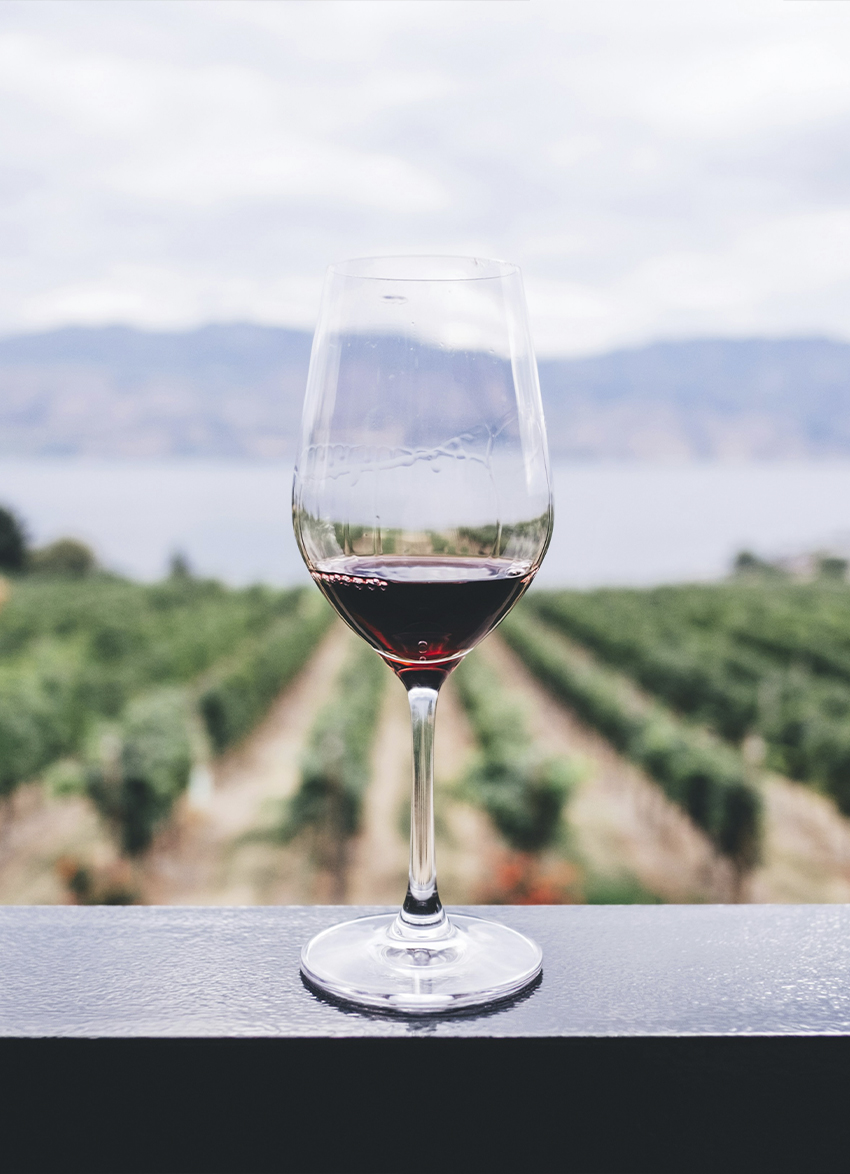
Australasia’s wine story might be still in training wheels (our first vines only went into Australian soil in 1788 and New Zealand’s in 1819) but in our still-growing industry sit producers with seriously enviable pedigree. Their heritage doesn’t weigh them down; rather, it fuels them forward.
So I spoke to a handful of winemakers guiding these legacy estates to see how they celebrate their roots while fermenting the future.
Cate Looney, Brown Brothers
At 137-year-old Brown Brothers, Cate Looney sees heritage as a blend of deep knowledge and fearless curiosity. “When I think about heritage, I think about our soils, our old vines, and the knowledge we’ve built over generations. But protecting our curiosity is just as important, it’s in our DNA.” Their “kindergarten winery” (a space for experimentation and innovation) epitomises this. Trying, tinkering, occasionally getting things wrong: it’s all part of staying fresh without abandoning tradition. Environmental shifts have prompted even greater focus on soil health, drought resilience and warm-climate varieties such as fiano, but Cate frames change as opportunity, not threat. “We’re not just making decisions for this year’s wine. We’re making decisions for vineyards that need to thrive well into the future.” Her guiding philosophy? “Don’t overcomplicate what nature’s already done well.” Heritage, she says, carries both weight and privilege, one the Brown family holds with pride, purpose and a glass half full.
Guy McMaster, Palliser Estate
Established in 1984, Palliser Estate is one of Martinborough’s foundation wineries and their older vines give them an edge: resilience, complexity, continuity. For winemaker Guy McMaster, that foundation is deeply personal. "Wine conveys a strong sense of place… and bringing life to our soils through organic practices gives integrity to that.” Transitioning to organics also created a vivid shift: “The soil has a softness, you feel it through your feet. It’s alive and breathing.” Guy loves that New Zealand’s wine industry is young enough to remain agile. "We’re not constrained by the past. We can improve on what our pioneers began, but still craft wines with timeless style.” He sees something many headlines miss: younger drinkers aren’t disengaged, they’re simply more discerning. “At our cellar door, we see curious, engaged, values-driven young consumers. Sustainability isn’t a differentiator, it’s an expectation.”
Helen Masters, Ata Rangi
Ata Rangi, founded in 1980, is one of the “First Five” wineries of Martinborough. Winemaker Helen Masters has been part of its fabric since 1990.
For Helen, what’s sacred is crystal clear: “Respecting what’s come before, the soil, climate, vineyards and 40 years of making wine in this place.” Ata Rangi’s oldest vines, now 46 years old, set the tempo each season. Their deep roots create remarkable consistency, regardless of weather. “That’s where the magic happens.” Identity is another hallmark of heritage. “There’s a DNA profile running through our wines,” she says, “something shaped through decades with the same land.” That recognition gives Helen the confidence to experiment thoughtfully, knowing their drinkers trust them. New Zealand’s wine industry is young, and she sees that as a gift: heritage and innovation are only ever a generation apart.
Adam Eggins, Taylors Wines
At 57-year-old Taylors Wines, Adam Eggins has spent nearly three decades living by a mantra that feels carved into Clare Valley culture: “Respect the fruit.” It’s deceptively simple, yet for Adam it’s the compass guiding everything from pruning decisions to how gently his team moves wine through the cellar. “It guides every decision,” he says. “From how we pick, to how we handle the wine in the cellar. That discipline keeps us honest and keeps the wines relevant.” Adam describes his role as a kind of translator, taking what the vines express each season and turning it into something that speaks to drinkers both now and in the future. Part of that job is knowing when to lean into the familiar, and when to stretch a little.
“There’s always a bit of tension between experimentation and tradition, and I think that’s a good thing. Tradition gives you your footing; innovation keeps you curious.” He’s acutely aware that Taylors’ most loyal drinkers return to the wines they love because those wines feel consistent, comforting, but reliably expressive of who they are. “It’s about looking after the wines people already know and trust,” he says. “You don’t want them to stand still, but you don’t want to lose what made them matter in the first place either.”
Working with vines that have deep roots also decades has given him a deep, almost intuitive understanding of site. He calls this “vineyard instinct”, the kind of knowledge you can’t shortcut no matter how smart your technology or how talented your staff. “One thing that’s been handed down over time is patience,” Adam says. “Knowing when not to rush, when to let the fruit reach the right point, when to let the wine find its rhythm… trusting that timing matters.” Some of that patience comes from stories passed on by people who’ve spent entire lifetimes in vineyards. Stories about extraordinary seasons, unusual weather, or vintages that taught hard lessons have all quietly influenced how Adam approaches decisions today. They form part of the unspoken wisdom that threads through heritage wineries such as Taylors. But what’s striking is how Eggins frames this long-term thinking: it’s not about preserving the past in amber, it’s about stewardship, not survival. “You realise you’re not in control; you’re in conversation with the site,” he says. “We’re making decisions now that we may never personally see the full benefit of, but that’s part of the job. Every vintage teaches you something… leave things in a better place than you found them.” And in that philosophy is the heart of Taylors: careful, collaborative, future-focused, and always anchored in the simple honesty of what the grapes give them.
Todd Stevens, Neudorf Vineyards
Since kickstarting in 1978, Nelson’s Neudorf Vineyards has become a New Zealand north star. Winemaker Todd Stevens, who joined in 2012, is guided by one principle: protect the vineyard first. “Our philosophy is to only get involved if we need to. This helps create consistency, a Neudorf fingerprint if you will.” Todd’s relationship with founder Tim and Judy Finn (and their daughter Rosie) has shaped the balance of heritage and gentle innovation. “I’ve never heard the word no when it comes to production decisions. If you don’t try, you won’t know,” he says. Their Amphora Chardonnay is a perfect example of playful evolution that still feels emphatically Neudorf. Climate change has encouraged more forward planning, but Todd frames it positively: “We’ve shifted from reactive to more proactive… occasionally letting go of the way we used to do things and trialling the new.” He also carries Tim Finn’s wisdom with him. “You can feel like you have big shoes to fill, but I’d always recommend wearing your own.” What sets heritage wineries apart for Todd, it’s simple: “They’re comfortable in their own skin. Nothing in wine happens quickly, and that’s what gives you something strong to build on.”
Virginia Willcock, Vasse Felix
Fresh from being named 2026 Halliday Winemaker of the Year, Virginia Willcock has spent two decades shaping Margaret River’s first vineyard, Vasse Felix. Her philosophy is simple and joyful: wines should express place and people. “Find the things that make you unique. Nurture them… wine can pique the interest of anyone,” she says. Balancing heritage and innovation is an art she handles with calm confidence. Vasse Felix, founded in 1967, regularly trials small-batch ideas often released exclusively at the cellar door, creating a steady rhythm of evolution. “We evolve ever so slowly… seeing if it makes the wine more complex, endearing, interesting,” she says. “Knowing the winery aims to be around for the next 100 years means we can move slowly and definitely without ever disrupting the underlying quality.” Heritage helps, but it doesn’t guarantee excellence. “Don’t ever think that because you’re the first, or have the oldest vineyards, that you’re the best. Excellence and leadership must drive you.” Long-standing vineyards, global reputation and decades of consistency all help build trust, she says, but they also come with responsibility. It’s a responsibility she and her team embrace with energy and excitement.
Sam Wigan, Yalumba
When you’ve spent 25 years working at Australia’s oldest family-owned winery, you don’t just make wine, you carry history and pedigree. And for Sam Wigan, that legacy isn’t a burden; it’s a privilege that brings daily purpose to his work at Yalumba in the Barossa. “The Barossa sits on ancient soils, and it’s home to some of the oldest still-productive vines in the world,” he says. “I feel a duty to ensure these old vines are there for future generations.” That sense of guardianship shapes everything that Yalumba does. Sustainable vineyard practices aren’t just something they talk about, they underpin the entire philosophy. One of the clearest expressions of that is Sam’s team’s commitment to wild fermentation, relying on the native yeasts that naturally inhabit their vineyards. Healthy vines are crucial for this. Sam explains that wild ferment isn’t simply a technique, it’s a relationship with place. “It offers the purest expression of variety and place,” he says, and at Yalumba, purity is non-negotiable. While their most classic wines, The Signature for example, remain almost untouchable in their consistency, Sam is also energised by the creative breadth of the estate. “In my 25 years there, there’s always been a culture of exploring new techniques, styles and varieties,” he says.
Grenache is currently giving the team a whole bunch of joy. The vine in nurseries, a desirably unique asset in the Australian landscape, gives them access to emerging varieties and clones not widely planted. This includes heat-loving grapes such as grenache blanc, a variety already showing serious talent in the Barossa’s sunbaked conditions. Sam emphasises that experimentation at Yalumba is about building resilience, finding flavours that thrive, and giving future winemakers a diversified toolbox. Water management is a perfect example. Sam acknowledges the region’s dry spells but reframes the challenge as an opportunity for precision rather than a point of pressure. “Strategic, zone-specific irrigation tailored to soil type ensures our vines remain healthy and water use is precisely managed,” he says. “It’s a measured, mature response, one driven by pride and care rather than fear.” But perhaps what Sam feels most proud of isn’t the vineyard or shiny winery tech, it’s the people. “Recognising that our crew play a crucial role in achieving success emphasises the importance of knowing your team and ensuring they feel valued,” he says. In a legacy business, emotional connection to place and purpose runs deep. Each generation leaves its mark not only on the wines, but on the culture. “Working in a family-owned, multi-generational estate like Yalumba carries a deep cultural legacy that influences every aspect of winemaking,” he explains. “It brings with it a responsibility to honour tradition and family expectations, while embracing the need for innovation.” So, under Sam’s watch, Yalumba remains a place where heritage is a lifelong invitation to do better, love the land, and keep the story moving.
Across Australia and New Zealand, the stories are remarkably aligned: deep roots, open minds, and a shared belief that legacy isn’t about looking back — it’s about carrying forward something worth protecting. These winemakers honour their past with care, evolve their craft with curiosity, and shape their futures with purpose.
The result? Wines that speak vividly of where they come from and confidently of where they’re headed, ensuring our “new world” wines continue building a world of their own.
Enter the dish tasting panel:
Our next Tasting Panel celebrates the best of New Zealand Chardonnay.
Entries close Thursday 25th June.

latest issue:
127
In Dream Escape, we journey from Japan and Morocco to Italy, India and beyond, sharing recipes inspired by travel, heritage and comfort. We celebrate the champions of the Outstanding Food Producer Awards, explore the stories and recipes of chefs shaped by their cultural roots, and warm up with everything from West African soups and slow-braised lamb to porchetta, butter chicken and beef noodle soup. Alongside destination menus, Scandinavian sweets and cosy pub classics, Chrisanne Terblanche shares her favourite street-side dining spots in Bangkok, while Yvonne Lorkin explores red wine varietals. This issue, we invite you to slow down, turn the pages and escape through food.