
Nutrition with Malissa Fedele: How to glow from within
Photography Supplied.
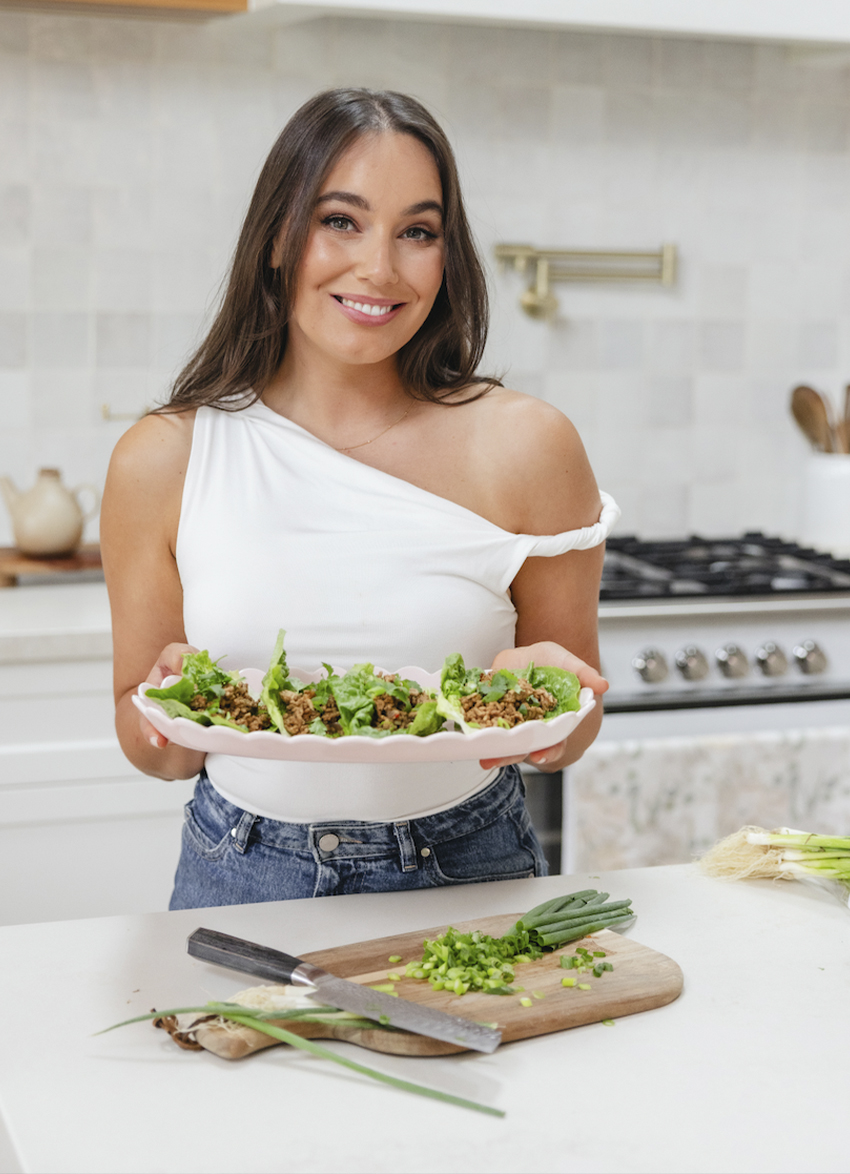
We spend so much time and money working on getting glowing skin from the outside, but the real glow always begins in the body.
Your skin is your largest organ, and it mirrors what is happening internally — your nutrition, your gut, your stress levels, your hormones, even your sleep. Your skin really is a window to what is happening inside the body. The food on your plate is a powerful tool to help you achieve that glow from within — the following six tips are your starting point.
Start with the skin barrier
Think of the skin barrier like the protective wall that keeps hydration in and irritation out. When the barrier is compromised, skin becomes inflamed, dry and dull. There really are no serums that can fix that if your diet is working against you. Food always comes first. Your barrier absolutely loves essential fatty acids, zinc, vitamin E and antioxidants. These nutrients strengthen the outer layer of the skin and keep it looking plump and dewy.
What this looks like on the plate:
A drizzle of extra virgin olive oil on salads
A handful of nuts or seeds (especially almonds, Brazil nuts and pumpkin seeds)
Fatty fish, such as salmon or sardines
Avocado with eggs in the morning
Tahini or hummus as your creamy element
The more consistently you feed your barrier, the more consistently it supports your glow.
Prioritise vitamin C and collagen-supporting foods
Collagen production naturally declines with age, but our daily diet can either support that collagen production or speed up its decline. Vitamin C is a co-factor for collagen production, meaning your body can’t make collagen properly without it. So, while vitamin C doesn’t directly reduce the appearance of fine lines or improve firmness, texture and healing, it supports the formation of the collagen that does. This is why a colourful fridge equals a healthy, glowy face.
Foods to include often in your diet:
Berries
Broccoli
Capsicum
Citrus
Kale
Kiwi fruit
Tomatoes
Pair vitamin C with protein-rich foods such as chicken, fish, steak, eggs, tofu or Greek yoghurt to give your skin the amino acids it needs to build fresh collagen daily.
Feed your gut for clearer skin
When your gut is inflamed, your skin is inflamed. As I mentioned, your skin mirrors what is going on internally, especially your gut. When digestion improves, complexion improves. Your microbiome plays a huge role in skin clarity, inflammation, barrier strength and even hydration. Dysbiosis (an imbalanced gut) often shows up as breakouts, eczema, rosacea, dullness or redness.
Skin-loving gut habits include:
Eating a variety of colourful plant foods (aim for 20 to 30 per week)
Including prebiotic foods, such as onion, garlic, asparagus and oats, in your diet
Adding probiotic options, such as kefir, yoghurt, kimchi or sauerkraut, to your diet
Managing blood sugar levels (big spikes can lead to big inflammation)
Slowing down while eating to support digestion
Your gut is where nutrients are absorbed, hormones are balanced and inflammation is regulated, so it’s impossible to glow if this foundation isn’t functioning well.
Reduce inflammation
Glowing skin is calm skin. When your internal inflammation is low, everything looks smoother, more even-toned and more vibrant. On the flip side, certain foods might trigger inflammation in your body.
Common culprits for dull or reactive skin include:
Highly refined oils
Excess added sugars
Overconsumption of ultra-processed foods
Alcohol in large amounts
Additives and sulphites (for some individuals)
I’m not about fearing or banning certain foods outright, but it’s worth becoming aware of the things that might cause inflammation. Instead of focusing on removing foods from your diet, focus on adding more whole, colourful, nutrient-dense options. It is so much easier to focus on what you are adding to your diet, and the excitement of trying something new, than focusing on the foods you are trying to reduce.
Eat for hormone balance
Your skin is deeply connected to your hormonal balance, especially for women. Breakouts around the jawline, dullness during your cycle, dryness or oiliness can often be traced back to fluctuating hormones.
Supporting hormones with food looks like:
Eating enough protein to regulate blood sugar
Including healthy fats in your diet to support hormone production
Getting adequate zinc (good sources include eggs, pumpkin seeds, beef and lentils)
Prioritising leafy greens
Eating enough fibre to support oestrogen clearance
Reducing big sugar spikes
Build the skin-loving plate
Here’s how I guide clients to build a daily plate that naturally promotes glowy, healthy, calm skin:
Half of your plate: colourful veges and fruit. The more colour the better. Try berries, leafy greens, tomatoes, capsicum, zucchini, cucumber, citrus.
Quarter of your plate: quality protein. Chicken, fish, eggs, tofu, Greek yoghurt and legumes all work well for this.
Quarter of your plate: slow-release, complex carbohydrates. These include whole grains, quinoa, sweet potato or kūmara, oats and brown rice.
Plus:
Healthy fats (olive oil, avocado, nuts or seeds)
Hydrating elements (cucumber, citrus, bone broth)
Gut-loving foods (yoghurt, fermented veges, fibre-rich plants)
Glow isn’t just about looking radiant, it’s a sign your insides are nourished, calm and supported. It’s built through tiny daily choices including the greens you add to your meals, the olive oil you drizzle over, the berries in your breakfast, the protein that stabilises your mood and the fibre that feeds your gut. Keep it simple. Keep it consistent. Keep it fun. Your glow will follow — and save you lots on all the serums and potions!

latest issue:
127
In Dream Escape, we journey from Japan and Morocco to Italy, India and beyond, sharing recipes inspired by travel, heritage and comfort. We celebrate the champions of the Outstanding Food Producer Awards, explore the stories and recipes of chefs shaped by their cultural roots, and warm up with everything from West African soups and slow-braised lamb to porchetta, butter chicken and beef noodle soup. Alongside destination menus, Scandinavian sweets and cosy pub classics, Chrisanne Terblanche shares her favourite street-side dining spots in Bangkok, while Yvonne Lorkin explores red wine varietals. This issue, we invite you to slow down, turn the pages and escape through food.