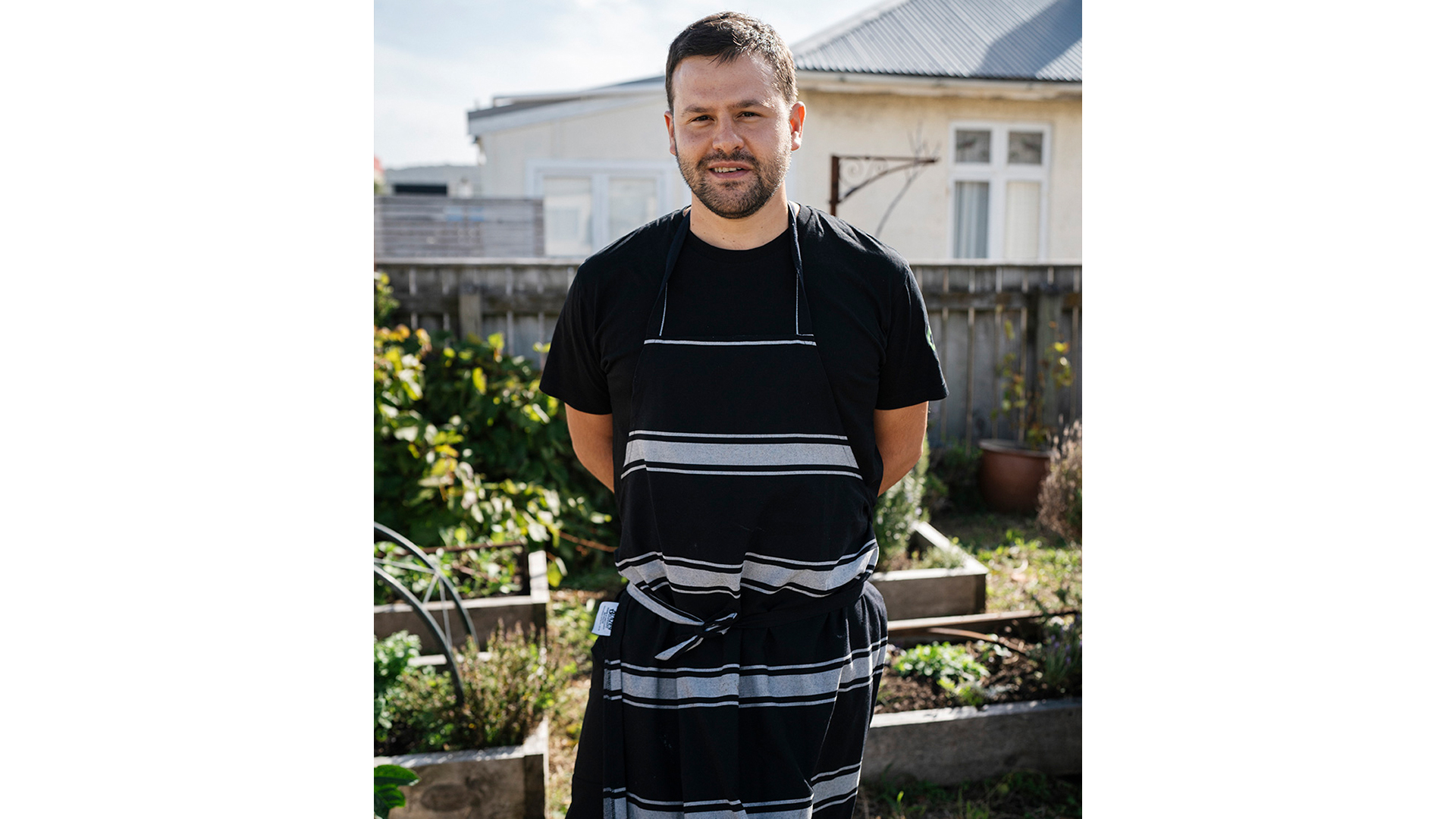
Theo Papouis, Oikos
“I love having humble dishes like this to lean on for when the colder months arrive. Ones that you can leave in the oven and forget about as you go about your day. This Beef Giouvetsi was taught to me by my Auntie Nadia whilst I was staying with her in Athens, 20 years ago. It was the first time I had seen pasta cooked in the juices of the meat, as opposed to being boiled separately first. By cooking in this way, the pasta absorbs the rich flavours of the beef’s cooking liquor. A truly comforting dish, I can still remember devouring it as a young Kiwi on my first overseas travels, feeling both at home and missing it at the same time. The subtle hint of cinnamon and allspice gently warms your palate, while the beautifully tender beef and kritharaki, more commonly know as orzo, come together to produce a hearty casserole-like dish. The name giouvetsi refers to the dish it’s traditionally baked in, a round shallow ceramic pot. Feel free to swap out the beef for lamb, pork or chicken, however cooking times will then differ. I was raised by Greek Cypriot parents. On return to NZ after cheffing overseas I opened my beloved restaurant Oikos in Miramar, Wellington, nine years ago, drawing inspiration from my cultural heritage using both Greek and NZ produce to produce a mix of modern and traditional dishes designed to warm the soul. At Oikos we encourage sharing dishes like this that are simple, unsophisticated food full of flavour. The ancient Greek word Oikos translates to family, house and home and that’s exactly how we make people feel at Oikos, at home in our home.”
Premium recipe link: Beef Giouvetsi

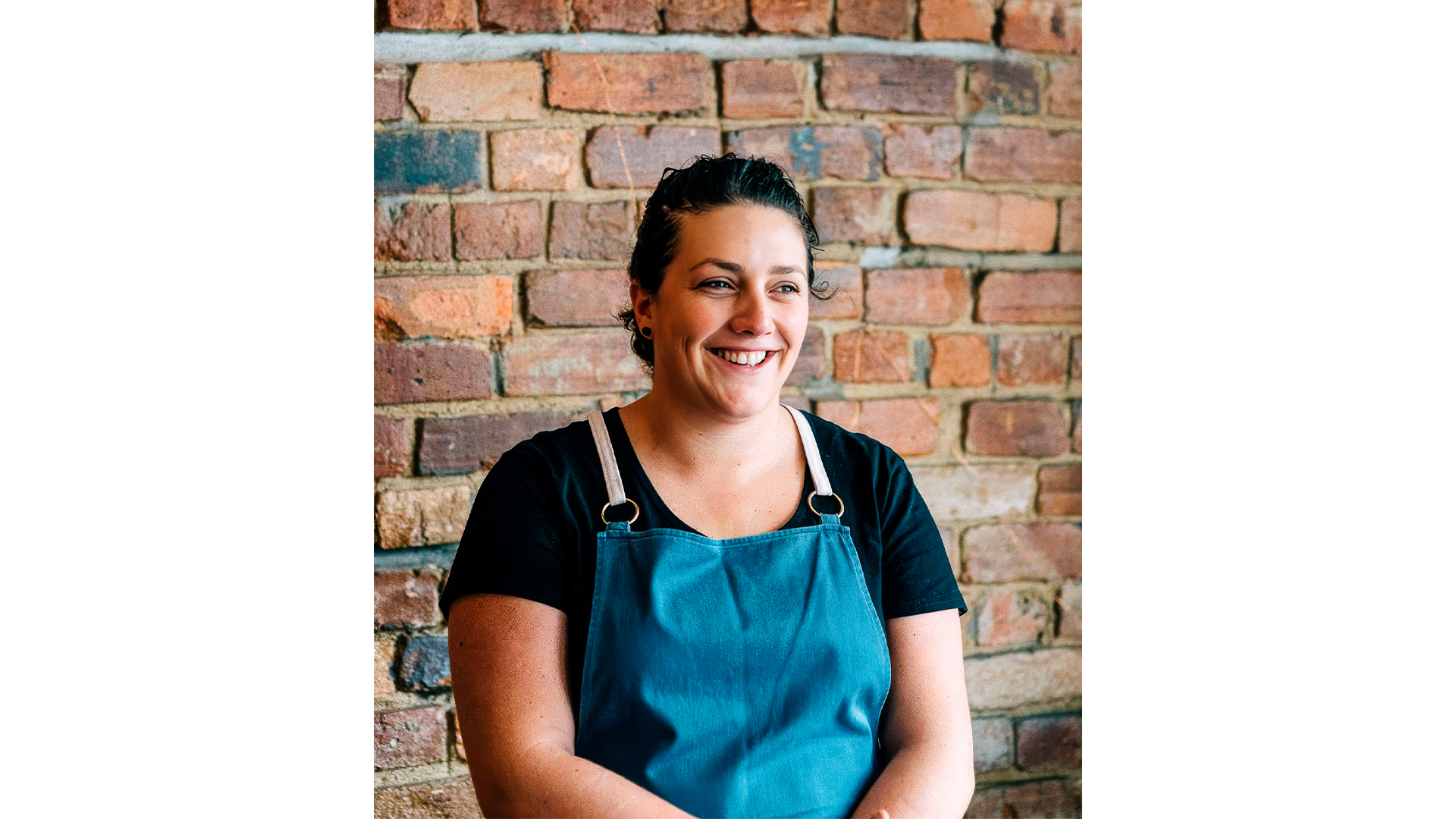
Sarah Ginella, Barulho
“When my kids were young, we spent some time living in Barcelona. It was a great opportunity to experience the city and its food culture. Some of our best memories are from the Barceloneta neighbourhood. We’d often spend the day on the beach with the kids, my two children, and their cousin, playing in the sand and swimming in the sea during the summer. After a long day in the sun everyone would be tired and hungry, which was our cue to wander off the beach and find somewhere nearby to eat. In the evenings locals would start filling the bars and restaurants. The neighbourhood was full of small seafood restaurants and tapas bars, many of them right by the water. Tables spilled out onto the pavement, people gathered with friends and family, and the smell of grilled seafood drifted through the streets. The menus were often just a board with a handful of dishes written on it. You’d see familiar things: prawns, grilled fish, and whatever seafood had come in that day. We’d usually order a few plates to share, which suited the casual style of eating. Among the usual orders of Calamares a la Romana and Patatas Bravas was my favourite: Pulpo a la Gallega. It was served simply — octopus with sliced potatoes, finished with olive oil and a sprinkle of pimentón. The octopus was tender, the potatoes soft, and the paprika gave the dish a warm, smoky flavour. It was an unpretentious dish that let the fresh ingredients shine. Octopus wasn’t something we had eaten often before living in Spain, but it became a favourite dish to cook at home after visiting the local fish market. Now back in New Zealand, Spanish food still has big influence on my cooking. When we opened our restaurant, Barulho, octopus was one of the dishes we wanted on the menu. Our version is a little different — grilled octopus served with ajo blanco, citrus and chorizo. The recipe here is a simpler version to try at home.”
Premium recipe link: Chargrilled Octopus with Lemon and Aioli
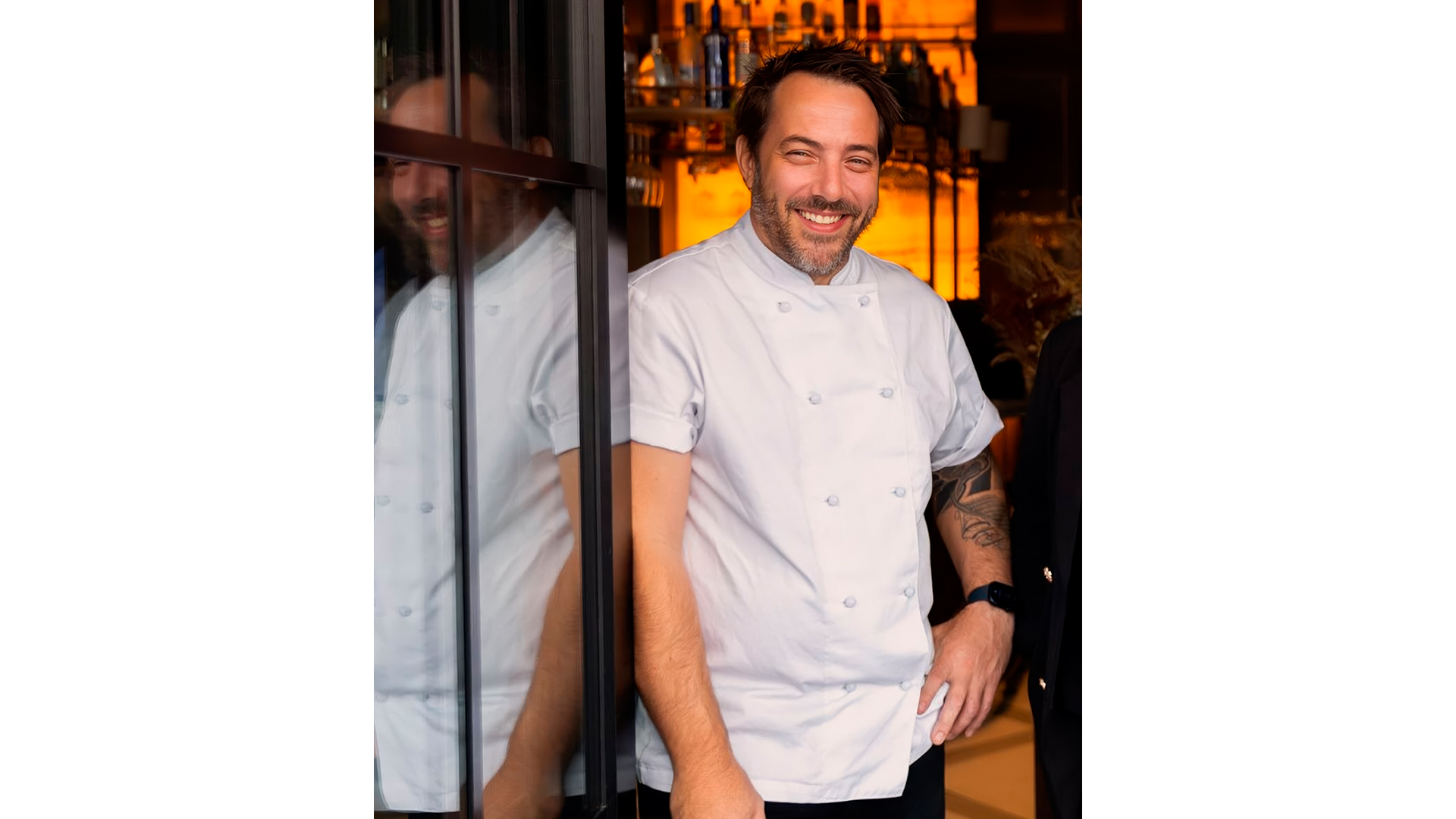
Shaun Dowling, Bossi
“I’ve always been drawn to dishes that have a story behind them, and that’s exactly why I love Osso Buco with Risotto alla Milanese — it’s a dish rooted in history. Having spent years cooking alongside Italians around the world, I’ve learnt that the best dishes come from those humble beginnings. For me, it’s about respecting that tradition while bringing out the true essence of the ingredients. The osso buco is a rustic Milanese staple, reimagined here with venison for a deeper, more earthy character. Slow-cooking transforms the meat into something meltingly tender, while saffron risotto adds richness, colour, and balance. The risotto is said to have started as a simple finger food before evolving into what we know today. One small step that makes a big difference is soaking the saffron in white wine before adding it to really lift the flavour and take the dish to another level. It’s comforting, generous food with a story, and that’s what I love most about it.”
Premium recipe link: Venison Osso Buco + Risotto alla Milanese

Sam Low, MasterChef New Zealand winner 2022, content creator and cookbook author
“Red Braised Pork is one of the dishes that best illustrates the foundations of Chinese home cooking. Known as Hong Shao Rou, it is built on a classic Chinese technique called hong shao, or ‘red braising’, where meat is slowly cooked with soy sauce, sugar, wine, and aromatics until it becomes tender and develops a deep reddish-brown glaze. The result is a balance of sweet, savoury, and aromatic flavours that is widely recognised across many regional Chinese cuisines. My parents grew up in Zhongshan in Southern China during a time when food was far less abundant than it is today. Meat was not an everyday ingredient, and when it appeared on the table it was treated as something special. Pork has long been one of the most valued meats in Chinese cuisine, particularly in southern China, and historically it was often reserved for celebrations, gatherings, or important occasions. Because of that, dishes centred around pork carried a sense of prosperity and reward. That perspective shaped how I grew up understanding food even in Fiji where I was born and here in Aotearoa where I was raised. Even though Red Braised Pork is technically a simple home-style dish, it still carries that cultural association with abundance. Pork belly, with its layers of fat and meat, is particularly prized because it becomes extremely tender when braised slowly. The fat renders into the sauce, creating the glossy texture that defines the dish. My dad cooks this dish frequently. If I’ve been away for a while and return home to visit, there is a good chance that a pot of red braised pork will be on the stove or on the dinner table. In many Chinese households, this dish is considered straightforward, everyday cooking rather than restaurant food. It is typically served family-style in the centre of the table alongside steamed rice and a few simple vegetable dishes. For many families, especially during colder months, Red Braised Pork is a common winter dish because it is rich, warming, and easy to cook in larger quantities. One of the reasons this recipe has remained so popular, and one of my favourites, is that it relies more on technique and time than on complicated ingredients. The method is accessible to home cooks, and the flavour develops naturally as the pork slowly braises. With patience, the sauce reduces and coats the pork, creating the characteristic sweet-savoury glaze. Red Braised Pork is a good example of how many Chinese dishes work: simple ingredients, careful balance of flavour, and a cooking process that allows time to transform the dish. It remains one of the most recognisable and widely cooked pork dishes in Chinese home kitchens and one that reminds me of home.”
Free recipe link: Red Braised Pork Belly
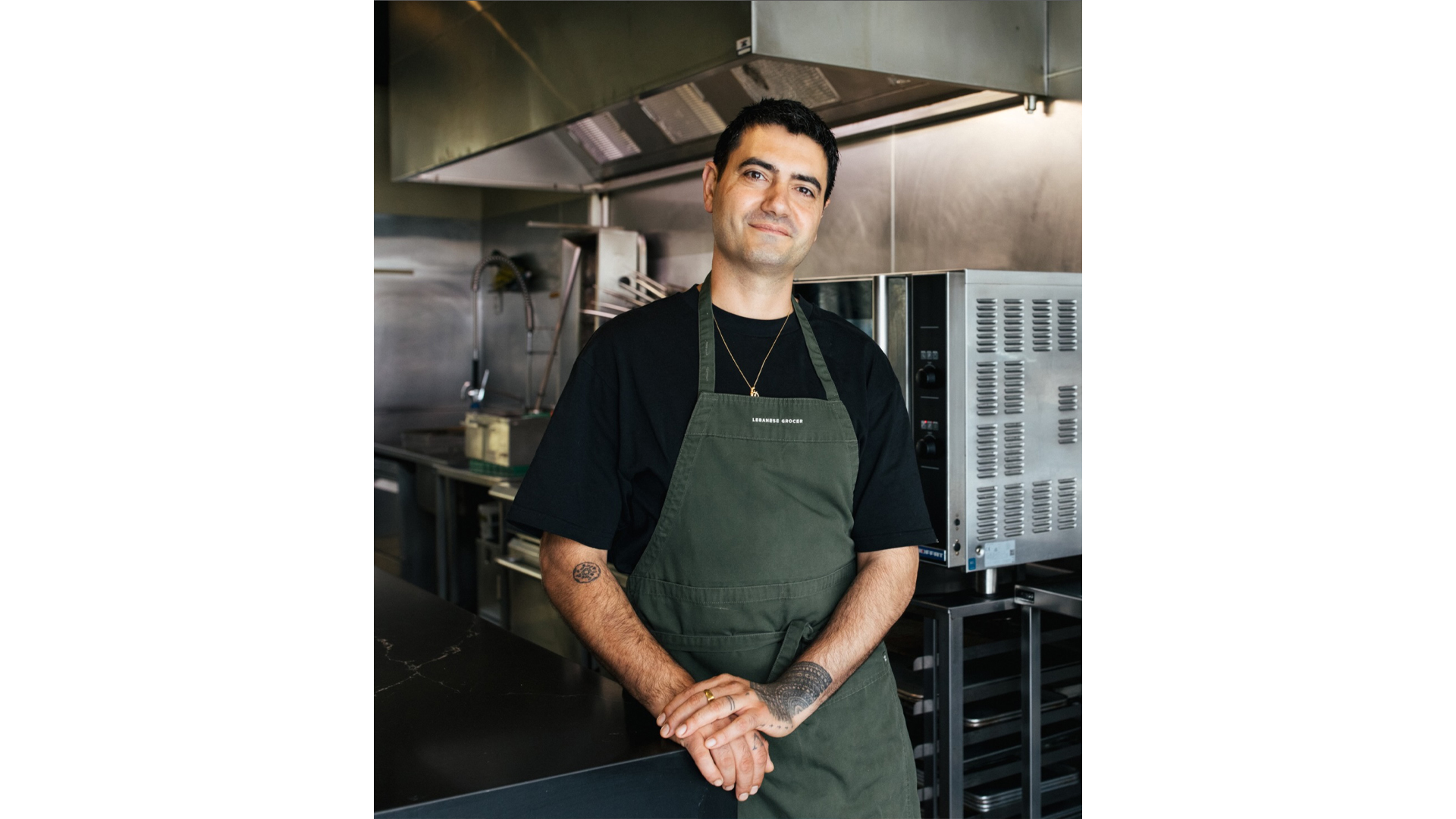
Elie Assaf, The Lebanese Grocer
“I was born in Beirut in the 1980s, in the middle of the civil war. We were a family of six, but it always felt like many more. Our house was never empty. There were always aunties, uncles, cousins and neighbours coming and going. My mum was a natural host, and most of my memories of her in Beirut are set in the kitchen. The whole apartment was always perfumed with whatever she was cooking. Sundays were especially memorable. Living on the fourth floor of an apartment building, our family would light charcoal on the balcony early in the day. Slowly, family and friends would start arriving, everyone offering to help, knowing the reward would be sitting down at my mum’s Sunday table. One dish was always certain. There would be Tabbouleh. Tabbouleh is one of the most recognisable salads from Lebanon, but what many people do not realise is that it is really a herb salad more than anything else. The parsley should be the star. In Lebanon the bunches of parsley are enormous and incredibly fragrant, and when you chop them finely and dress them with lemon and olive oil the aroma fills the whole kitchen. In Lebanon everyone has their own way of making Tabbouleh, but there are a few things most people agree on. It should be bright with lemon, generous with parsley and finely chopped so every bite is balanced. It is the kind of salad that changes slightly from home to home depending on what is growing in the garden or what is in season at the market. That is part of its beauty. It is simple food, but it carries a lot of history and pride.”
Premium recipe link: Tabbouleh Salad

Uelese (Wallace) Mua, Trivet
“Chop Suey and Taro Fa’alifu is a dish I love to eat and reminds me of my childhood and some of my warmest memories of mum’s Samoan cooking. It was always one of my favourites to go for when choosing from the plethora of choices I would have at to’onai. To’onai is a Sunday lunch where we would gather with family after church. It was always a pot luck, where each family brings something to the table. There was competition in my family with who made the best Chop Suey — I might be a bit biased but my mum’s was always the best. I remember my job on Saturday night would be to painstakingly peel each garlic clove. My mum would then place it into the empty vermicelli packet (the vermicelli would already be soaking) then use the soy sauce bottle as a hammer and pound it into a paste. This recipe is a close imitation of the ingredients she used.”
Free recipe link: Chop Suey + Taro Fa’alifu