
Sauvignon Blanc: A Guide to the Grape, Its History and Regional Styles
 BROUGHT TO YOU BY VILLA MARIA
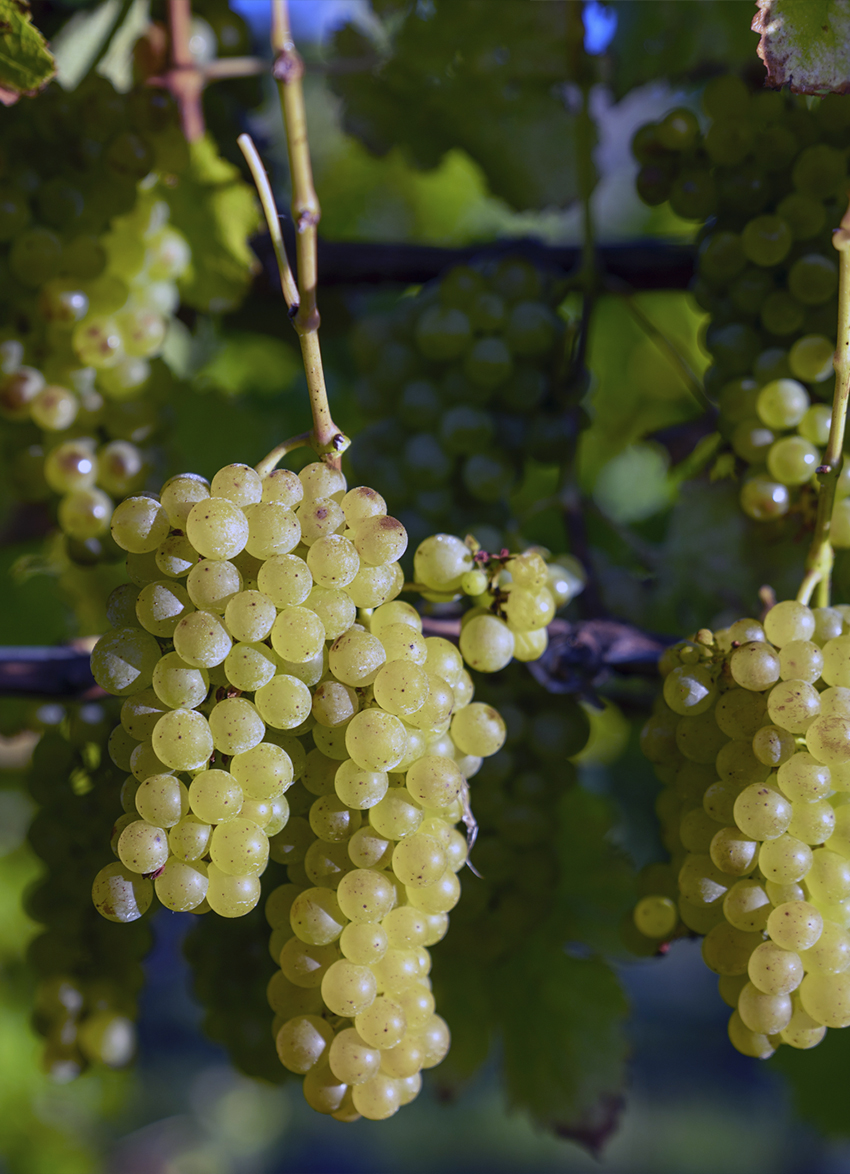
Sauvignon Blanc, pronounced “soh-vee-nyon blahnk”, or “blahn” if channelling your inner French sommelier, originates in south-west France where it is celebrated for its vibrant aromatics and naturally high acidity. And while France introduced the concept of terroir (the influence of soil, climate and site on a wine’s character), New Zealand has shaped a distinctive, world-renowned style widely regarded as a global benchmark for the variety.
First planted commercially in the 70s, Sauvignon Blanc found an ideal climate in New Zealand, particularly Marlborough. By the early 90s, it established a strong international reputation for its distinctive style, and remains the country’s most recognised export. New Zealand’s unique growing conditions are central to this success. Warm days and cool nights help preserve freshness while building flavour intensity, while long growing seasons allow the grapes to develop vivid aromatics and natural acidity.
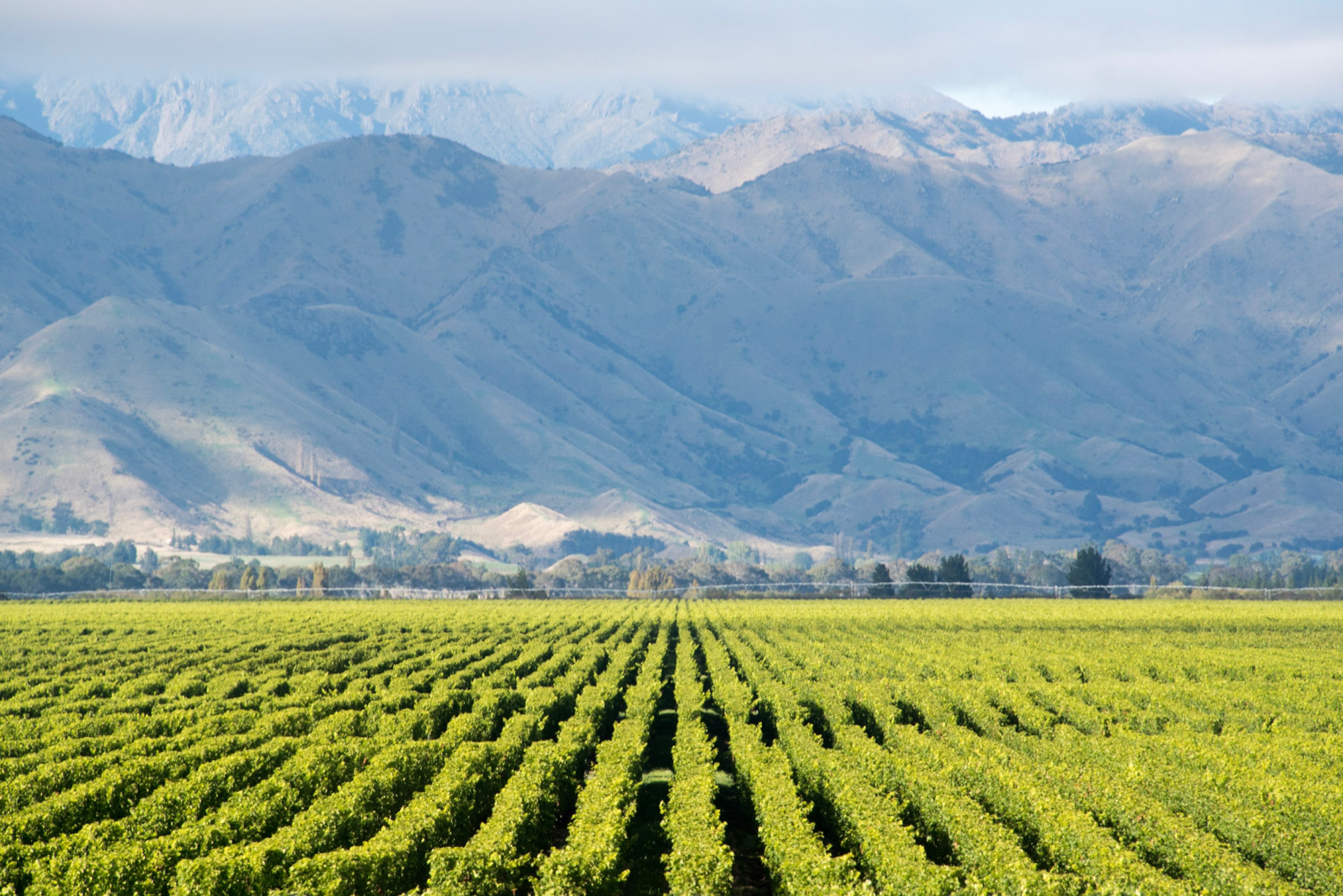
Sauvignon Blanc is grown in various regions across New Zealand, each with its own nuance. Marlborough is the dominant region, accounting for around three-quarters of plantings, while regions such as Hawke’s Bay and Nelson offer distinctive regional expressions that add further depth to the country’s recognised style.
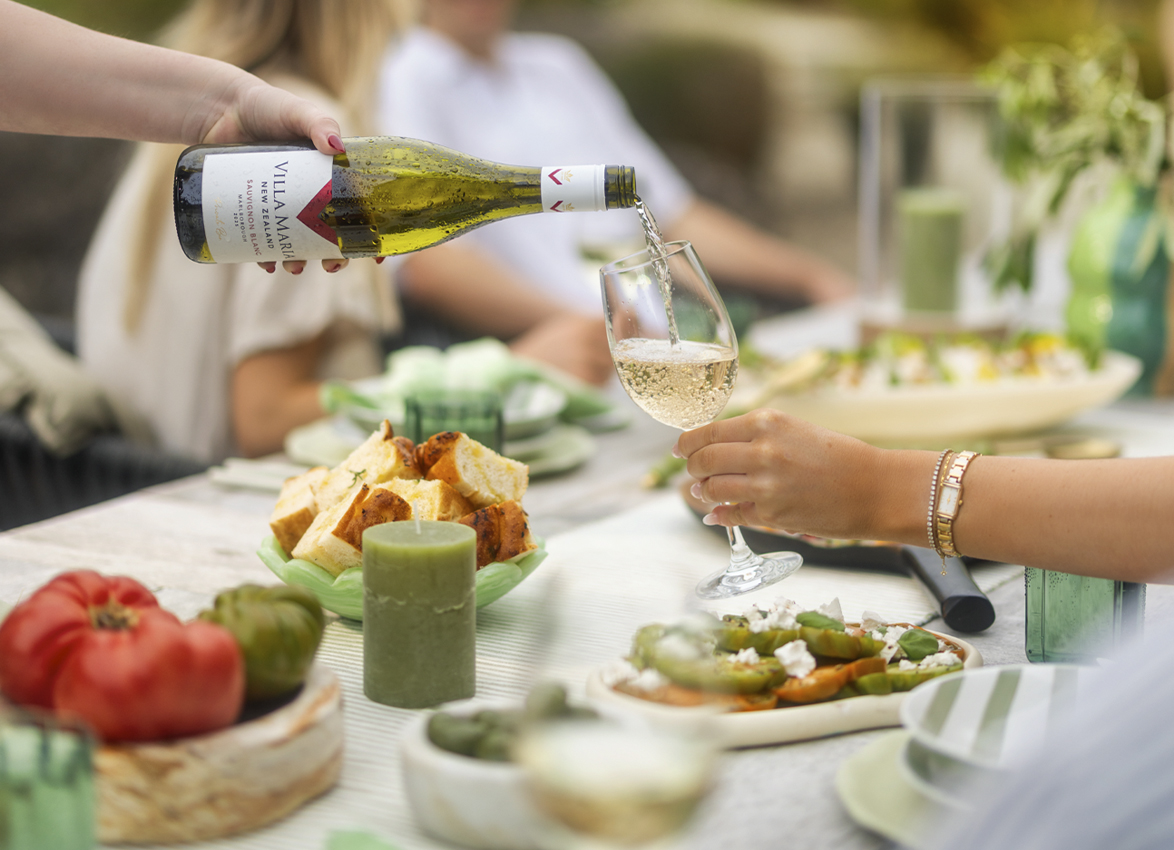
Located at the top of the South Island, Marlborough combines sunshine, cool evenings and free-draining alluvial soils to create ideal growing conditions. The region is renowned for wines of aromatic lift and vibrant fruit expression. Within Marlborough, a range of subregions further shape the style, adding nuance and diversity to its distinctive character.
Marlborough tasting guide
Awatere Valley
- Crisp, focused and linear in style
- Herbaceous and citrus-driven
- Notes of fresh-cut herbs, lime, grapefruit and jalapeño
- Distinctive mineral edge with a saline finish
- Ideal for those who favour zesty, vibrant wines
Wairau Valley
- Riper, fuller and more generous in style
- Passionfruit, guava and ripe citrus to the fore
- Juicy palate with concentrated fruit intensity
- Often considered the classic Marlborough expression
- Suited to those who enjoy bold aromatics and fruit richness
New wave Marlborough styles
Alongside the classic vibrant styles, many producers are exploring more restrained expressions, with an emphasis on texture and complexity. These wines may incorporate wild fermentation, lees ageing or subtle oak influence, while retaining Marlborough’s hallmark freshness.
What to look for in a glass of Sauvignon Blanc:
- Citrus: lime, grapefruit, lemon zest
- Tropical fruit: passionfruit, guava, pineapple
- Green notes: capsicum, tomato leaf, fresh herbs
- Mineral or saline characters
- Crisp acidity and a refreshing finish
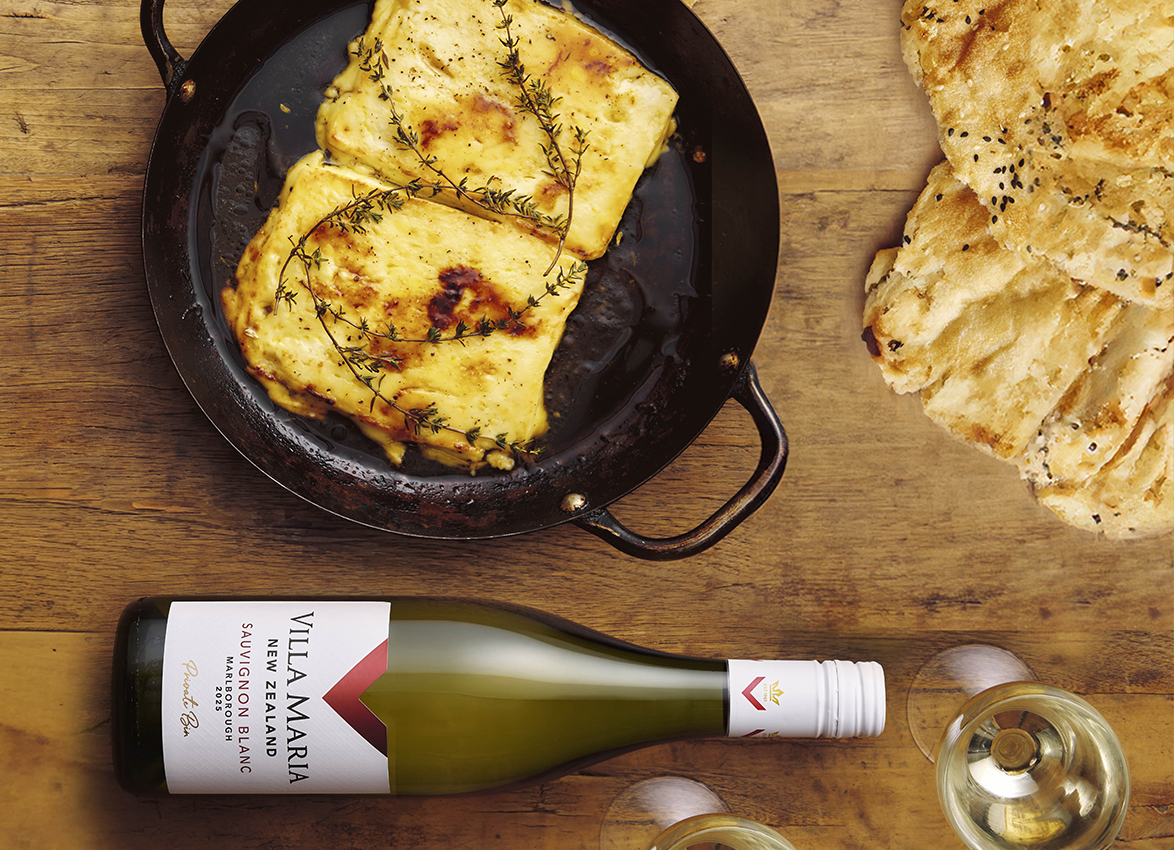
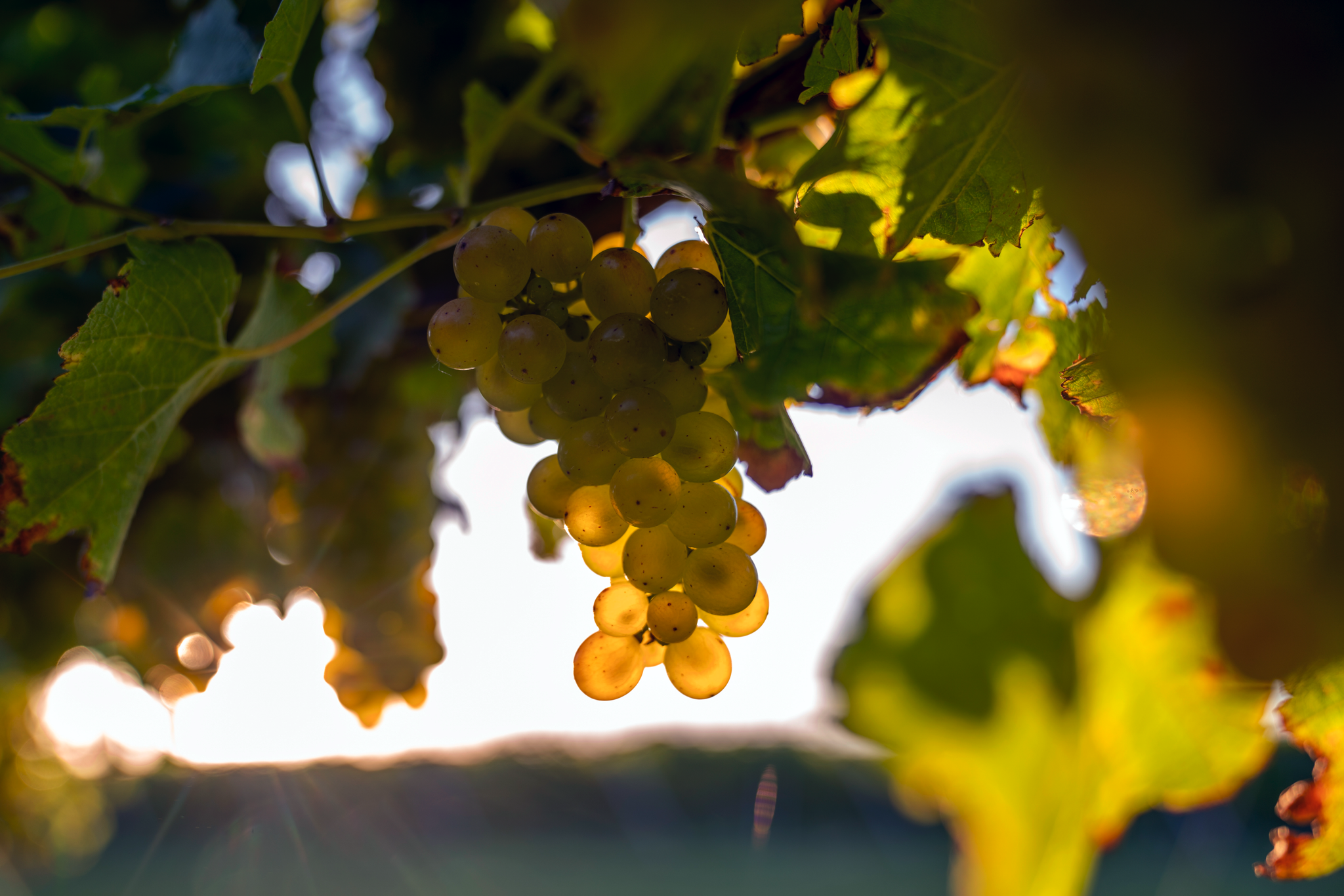
Sauvignon Blanc is one of the most versatile food wines, try it with the below recipe pairings:
- Baked Feta with Thyme and Honey
- Oysters with Three Dressings
- Barbecue Fish and Chermoula Sauce, Fennel, Orange and Zucchini Salad
- Thai Chicken Satay Skewers with Smashed Cucumbers
- Citrus Ceviche with Avocado
Sauvignon Blanc is one of New Zealand’s most recognisable wine styles, accounting for the majority of the country’s wine exports and known for its unmistakable aromatics. It continues to evolve, offering styles that range from the saline precision of Awatere Valley to the tropical generosity of Wairau Valley.
Enter the dish tasting panel:
Our next Tasting Panel celebrates the best of New Zealand Chardonnay.
Entries close Thursday 25th June.

latest issue:
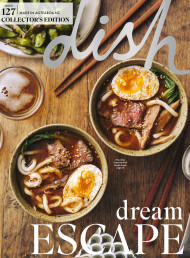
127
In Dream Escape, we journey from Japan and Morocco to Italy, India and beyond, sharing recipes inspired by travel, heritage and comfort. We celebrate the champions of the Outstanding Food Producer Awards, explore the stories and recipes of chefs shaped by their cultural roots, and warm up with everything from West African soups and slow-braised lamb to porchetta, butter chicken and beef noodle soup. Alongside destination menus, Scandinavian sweets and cosy pub classics, Chrisanne Terblanche shares her favourite street-side dining spots in Bangkok, while Yvonne Lorkin explores red wine varietals. This issue, we invite you to slow down, turn the pages and escape through food.